Recycling and Sustainability at Gardeners West Green
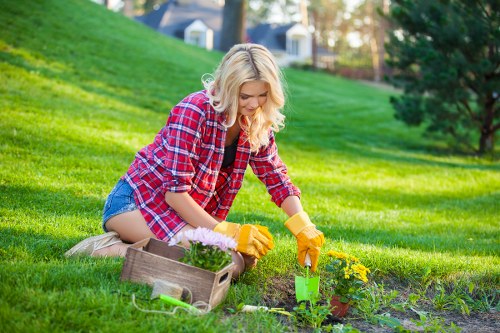 At Gardeners West Green, sustainability is built into the way we work every day. Our landscaping and garden maintenance services are designed to reduce waste, support local recycling systems, and keep materials in use for as long as possible. From soil and green waste to packaging and worn equipment, we look for practical ways to improve environmental performance while delivering tidy, reliable outdoor spaces.
As a West Green gardening team serving homes, estates, and commercial properties, we understand how important it is to match modern maintenance with responsible disposal. That means separating recyclable materials where possible, choosing lower-impact transport, and supporting local circular-economy projects. Our approach is simple: reduce what goes to landfill, recycle more, and make better use of resources across every job.
We have set a clear recycling percentage target to help guide our progress. Our aim is to recycle or reuse at least 85% of the non-hazardous material generated through our operations, including green waste, cardboard, plastics, metal offcuts, and reusable planting materials. By measuring performance carefully, our gardening recycling efforts stay focused and accountable.
 Green waste is one of the biggest opportunities for responsible recovery in our work. Branch cuttings, hedge trimmings, lawn clippings, and leaves are separated from general waste so they can be composted, mulched, or sent to suitable recovery facilities. This supports a cleaner outcome for the environment and helps return valuable organic matter back into productive use.
In West Green and the surrounding boroughs, local waste systems increasingly rely on clear separation streams, and we work in step with that approach. Where different boroughs ask for distinct sorting of wood, soil, metal, cardboard, and plastics, our teams follow those expectations closely. This makes our garden recycling service more efficient and helps local transfer and processing centres receive cleaner material loads.
We also pay close attention to packaging and consumables. Potting containers, plant wraps, paper sacks, and cardboard deliveries are kept apart from soil and green cuttings so they can enter the correct recycling route. Even small adjustments in sorting can make a meaningful difference when repeated across many visits throughout the year.
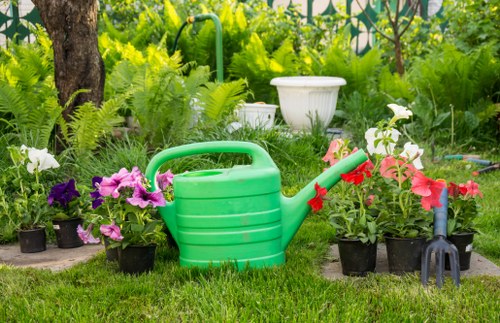 A major part of our sustainability strategy is working with local transfer stations and recovery facilities that can handle landscape waste responsibly. By using nearby sites where practical, we help reduce transport distances, lower emissions, and keep material moving efficiently through the recycling chain. This is especially useful for bulky loads such as branches, turf, timber, and excavation waste from garden projects.
Our partnerships with charities also support a more sustainable model. Usable planters, surplus compost, seeds, tools, and healthy plants may be directed to charity partners or community groups when suitable. These collaborations help extend the life of materials that might otherwise be discarded, while supporting local initiatives that bring value to residents and green spaces alike.
We also encourage reuse wherever it makes sense. Timber offcuts can be saved for habitat features, excess topsoil may be reused on suitable sites, and sound metal fixtures are separated for recycling rather than disposal. This practical reuse-first mindset is central to our garden waste recycling approach and reflects a broader commitment to environmental responsibility.
Transport is another area where we continue to improve. Our low-carbon vans are selected to reduce fuel use and cut emissions compared with older, less efficient vehicles. These vans help us deliver maintenance visits, plant collections, and material removals with a lighter environmental footprint. We also plan routes carefully to avoid unnecessary mileage and keep journeys as efficient as possible.
For mixed-site work, we separate material at source wherever we can. That includes distinguishing soil from rubble, keeping reusable branches apart from contaminated waste, and ensuring hazardous items are not mixed into general garden loads. In areas where borough waste rules require specific separation, our team follows those systems closely so recyclable material is not downgraded by contamination.
Our recycling and sustainability measures are not treated as a side note; they are part of the service standard. Clients using West Green recycling-focused garden services can expect a careful, organised method that values resource recovery, responsible disposal, and continuous improvement. That includes simple actions such as reusing containers, consolidating collections, and choosing the most appropriate route for each waste type.
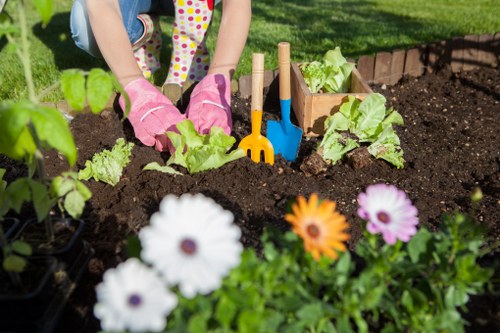 We also recognise the role that public-sector and community recycling habits play in improving results across the area. Borough-led waste separation schemes, mixed dry recycling rules, and local green bin collections all shape how materials are handled after they leave a site. By aligning our practice with these local systems, our gardening waste recycling process becomes more effective and easier to integrate into the wider recovery network.
Where possible, we work with a hierarchy of environmental choices: prevent waste first, reuse second, recycle third, and dispose only when no other route is suitable. That may involve repairing equipment instead of replacing it, choosing durable materials for landscaping work, and prioritising products with recycled content. These decisions may seem small, but together they support a more sustainable service overall.
Our commitment extends to the details that often go unnoticed. Labels are removed where needed for correct sorting, bags are consolidated to reduce transport waste, and loads are checked before leaving site so recyclable items are not accidentally sent to residual disposal. This careful approach helps maintain high standards across every stage of the job.
 Looking ahead, Gardeners West Green will continue improving how our work supports environmental goals. We will keep developing our partnerships with charities, using local transfer stations thoughtfully, and investing in lower-emission vehicles and smarter waste handling. The aim is a greener service that reflects the needs of the neighbourhood and the expectations of modern sustainability.
For customers seeking a sustainable gardening service in West Green, our recycling practices offer reassurance that outdoor maintenance can be carried out responsibly. From the first collection to the final load, we focus on reducing waste, recovering useful materials, and supporting the local recycling economy wherever possible.
Gardeners West Green remains committed to practical sustainability, careful sorting, and meaningful recycling outcomes. Through better separation, local processing routes, charity partnerships, and low-carbon transport, we are helping create cleaner gardens and a cleaner future for the community.