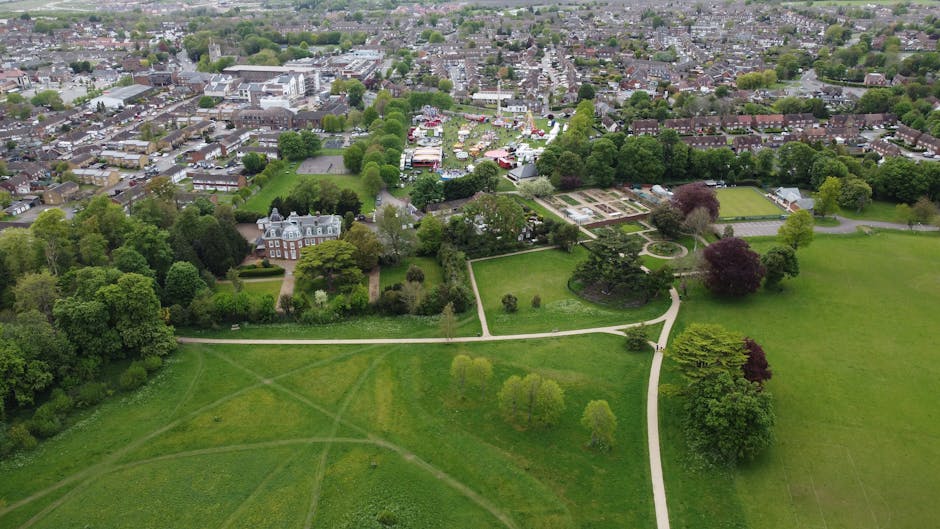
Bruce Grove access delays for West Green gardeners
Bruce Grove access delays for West Green gardeners can look like a small scheduling nuisance at first, but in practice they can affect everything from arrival times and crew planning to how safely tools, waste and machinery get into a property. If you are trying to keep a hedge trimmed, a lawn under control, or a one-off clearance job moving along, even a short delay at the wrong end of the day can throw things off. That is especially true around busy routes, school-run traffic, roadworks, parked vehicles and narrow access points. Truth be told, the difference between a smooth job and a frustrating one is often just a few minutes of planning.
This guide explains what these access delays mean, why they matter, how they affect gardening work in West Green, and what you can do to reduce disruption. It also covers practical best practice, a simple step-by-step approach, and the kinds of garden services that are most sensitive to access issues. If you want a reliable starting point, it helps to understand the basics of professional gardening services and how they are planned around real-world site conditions rather than ideal ones.
Expert summary: The key to managing Bruce Grove access delays is not perfection. It is getting the practical details right early: arrival windows, parking, gate access, waste removal, and any restrictions that could slow the team down once they are on site.
Table of Contents
- Why Bruce Grove access delays for West Green gardeners matters
- How Bruce Grove access delays for West Green gardeners works
- Key benefits and practical advantages
- Who this is for and when it makes sense
- Step-by-step guidance
- Expert tips for better results
- Common mistakes to avoid
- Tools, resources and recommendations
- Law, compliance, standards and best practice
- Options, methods and comparison table
- Case study or real-world example
- Practical checklist
- Conclusion
- Frequently asked questions
Why Bruce Grove access delays for West Green gardeners Matters
Access delays are not just about a van being five minutes late. In gardening work, timing and site access shape the whole visit. If a team cannot park close enough, cannot get through a side gate, or has to wait while a driveway clears, the knock-on effect can be surprisingly large. A tidy hedge job might still be fine. But a full garden clearance, tree work, or a multi-hour maintenance visit can become a bit of a domino line: later start, less daylight, slower loading, and more pressure to finish carefully rather than quickly.
For West Green residents and gardeners working around Bruce Grove, the local reality matters. Traffic can bunch up. Streets can be tight. Access may be shared. Some homes have awkward rear entries or limited front-garden space. That means a service plan built on assumptions can fail before the first cut is made. A better approach is to plan for the access route as carefully as the gardening task itself.
There is also a trust element here. Customers want to know that a gardener will turn up prepared, protect the property, and finish without turning the front path into a staging area. Delays can create a rushed feel, and rushed work is rarely the kind of work people are happy to see again. Not ideal, as you can imagine.
In practical terms, access delays matter because they can affect:
- arrival windows and job start times
- the amount of equipment that can be brought on site
- how quickly green waste can be loaded and removed
- noise and disturbance for neighbours
- the total time needed for the visit
- the final quote if access difficulty was not discussed in advance
If you are planning broader garden work, such as garden maintenance, hedge cutting, or seasonal tidying, a short conversation about access can save an hour of faffing later. And nobody wants that.
How Bruce Grove access delays for West Green gardeners Works
In a real-world gardening job, access is usually assessed in three layers: getting to the property, entering the property, and moving around once inside. Bruce Grove delays tend to show up first in the approach stage. A van may be held up by traffic, temporary road restrictions, parking availability, or a delivery vehicle blocking the kerb. Then, once the team arrives, the next delay may be a gate key, a code not shared in advance, a locked side return, or a narrow passage that slows movement of tools and bags.
Most gardeners adapt by building flexibility into the visit. That can mean earlier departure, a wider arrival window, or asking the customer to reserve space near the property if lawful and practical. Sometimes the job is still straightforward once on site. Other times, the delay is a signal that the original plan needs adjusting. For instance, a lawn mowing appointment may only need light equipment, but a garden clearance visit might need sacks, cutting tools, and repeated trips to the vehicle.
Access delays also interact with service type. A simple tidy-up can absorb a ten-minute hold-up without much drama. A larger job cannot. Tree-related work, heavier waste removal, or installations such as fencing and decking services may depend on multiple items arriving together, which means any delay needs better communication than usual.
There is a small but important distinction here: a delay is not the same as a failure. Sometimes the route is simply slower that day. What matters is how it is handled. Good planning tends to look like this:
- confirm the access route before the visit
- check whether parking or loading space is available
- agree who will unlock gates or provide entry
- allow a sensible arrival window
- adjust the task sequence if access slows the start
That is the practical version. No mystery, just coordination.
Key Benefits and Practical Advantages
When access delays are handled properly, the benefits show up quickly. The most obvious one is fewer surprises. The less obvious one is better work quality. If the team knows in advance that access is awkward, they can plan tools, route, and labour more intelligently. That can mean less dragging equipment across patios, fewer unnecessary trips, and a calmer pace overall.
Here are the main advantages of addressing Bruce Grove access delays early:
- More accurate scheduling: the job can be slotted into the day with realistic timing.
- Cleaner site handling: tools, cuttings and waste are moved more carefully.
- Reduced disruption: neighbours hear less back-and-forth noise and fewer repeated doorbell calls.
- Better quoting: any access issue can be factored into pricing before work begins.
- Safer work practices: crews are less likely to rush or improvise in awkward conditions.
There is also a confidence benefit for the homeowner or landlord. When the access plan is sensible, you can usually relax a bit. You know the gardener is not going to spend the first half hour circling the block or waiting for someone to answer the door. That sounds small, but it changes the tone of the whole appointment.
If your project involves repeated visits, such as mowing, hedge care or ongoing tidying, stable access matters even more. Services like lawn mowing and hedge trimming are much easier to keep consistent when the team can arrive, unload, and get straight on with the task.
Who This Is For and When It Makes Sense
This topic is relevant to a lot more people than you might expect. It is not just for homeowners with difficult driveways or back-garden access. It applies to landlords, letting agents, property managers, busy families, older residents who need a straightforward service, and anyone arranging garden work in a densely used part of West Green.
You will benefit most from thinking about access delays if any of the following apply:
- your property has limited parking near the entrance
- the garden is only reachable through a narrow side passage
- there is a locked gate, code entry, or shared access
- you need waste removed from the site
- the job includes bulky tools or materials
- you are booking work during busy local traffic periods
- you are coordinating with tenants, neighbours, or building access
It also makes sense if you are comparing services. A quote for routine maintenance may look similar to another, but the access assumptions behind those quotes can be very different. One provider may have already allowed for a tight rear entry; another may not. Small detail, big difference.
For one-off jobs, access planning is often the difference between a smooth same-day finish and a job that needs a return visit. For ongoing work, it is the difference between a predictable routine and a monthly headache. Nobody enjoys the second version. Nobody.
If you are still deciding what level of service you need, the broader gardening services page is a useful place to understand how different tasks are typically grouped and planned.
Step-by-Step Guidance
The simplest way to manage Bruce Grove access delays is to treat the access plan as part of the booking, not as an afterthought. The steps below are straightforward, but they work because they cover the most common friction points before they turn into delays.
1. Describe the access clearly
Tell the gardener how the property is entered, where the garden is located, and whether there are stairs, narrow paths, or shared entrances. If the rear garden can only be reached through the house, say so. It is much better to be direct now than to explain it while the team is standing outside with bags and tools.
2. Mention local parking or loading issues
If parking is tight, mention whether there is any realistic space nearby for unloading. In some cases, a few extra metres of carry distance are perfectly manageable. In others, they may change the best order of the day. This is especially useful on busier streets where delays can stack up at the kerbside.
3. Share gate codes, keys, or contact details early
Many access delays are embarrassingly simple. A code not shared. A key left in the wrong place. A tenant who thought someone else would open up. You get the picture. Sending this information before arrival removes a lot of waiting around, and the job starts with far less friction.
4. Confirm the type of work and likely equipment
A routine tidy and a heavy clearance need different preparations. If the job may involve waste bags, pruning tools, ladders, or machinery, say so. That allows the team to decide whether they need extra help, longer loading time, or a different vehicle arrangement.
5. Agree a realistic arrival window
Traffic around Bruce Grove can be variable, so it helps to work with an arrival window rather than an exact minute. A sensible window lowers stress for everyone and gives the team room to account for delays without making promises they cannot keep.
6. Prepare the garden before the team arrives
If you can, move cars, unlock gates, and clear a route to the work area. Even a small effort makes a noticeable difference. One client once left a wheelbarrow, two bikes, and a garden hose exactly where the crew needed to pass. Fair enough, it happens. But it turned a quick start into a bit of a shuffle.
7. Review what caused any delay after the visit
If access still slowed the job, note the reason and use that information next time. Over a couple of visits, patterns become obvious. Maybe the side gate is always sticky after rain. Maybe the best arrival time is before the school run. Maybe the loading zone is impossible on certain days. That sort of detail is gold, honestly.
Expert Tips for Better Results
Having worked through enough awkward garden visits, a few things tend to make a clear difference. None of them are dramatic. They are just the sort of habits that make jobs calmer and cleaner.
- Keep access notes with the booking: one good note can prevent repeated misunderstandings.
- Think about the end of the job as well as the start: waste still has to leave the site.
- Ask whether the task can be split: some work is easier in two shorter visits if access is limited.
- Use the most direct route possible: even a nice-looking shortcut can be a trap if it damages turf or patio edges.
- Plan around peak traffic where possible: earlier or later slots can sometimes save a surprising amount of time.
- Keep gates, locks, and entry points maintained: an awkward gate is a delay waiting to happen.
A small but useful habit is to walk the route from the street to the garden before the team arrives. You will spot things your own eyes have learned to ignore: a loose step, a padlock that sticks, a broken latch, or a bin bag that will get in the way. It sounds almost too obvious. Yet those are the exact things that save time when fixed early.
Also, if your garden job includes messier work, such as pruning or post-storm tidy-up, consider pairing it with patio cleaning or waste-heavy clearance only when access is genuinely manageable. Otherwise, the whole job can feel like you are carrying shopping bags through a revolving door. Slight exaggeration, but not by much.
Common Mistakes to Avoid
The mistakes that cause the biggest delays are usually quite ordinary. That is the annoying part. They are not dramatic failures; they are small oversights that compound.
- Assuming the gardener already knows the access route. Unless it has been discussed, do not assume anything.
- Leaving parking to chance. "We'll sort it on the day" works sometimes. Other times, not so much.
- Forgetting about waste removal. If the team cuts it, clears it, and loads it, access matters twice.
- Hiding awkward entry points. A narrow passage or low gate should be mentioned up front.
- Booking too tightly after another appointment. If the job depends on exact timing, a delay can cascade through the rest of the day.
- Not checking weather-related impact. Wet conditions can slow movement through side returns, lawns, or muddy access paths.
One common issue is the "it'll be fine" assumption. To be fair, a lot of people say this because they are busy and trying to be helpful. But access problems rarely solve themselves. They just sit there until the crew arrives and everyone has to improvise. That is usually the least efficient version of the day.
Tools, Resources and Recommendations
You do not need specialist software or complicated systems to handle access delays well. What you do need is a clear record of the practical details and a few habits that make visits easier to manage.
Useful things to have ready include:
- a short written note describing access from street to garden
- gate codes, key arrangements, or contact details for entry
- a rough parking plan for the day of the visit
- details of any shared driveway or neighbour coordination
- photographs of tricky access points if the situation is unusual
From a service-planning point of view, the most useful pages to review are the ones that explain scope, pricing, and safety. For example, pricing and quotes helps set expectations around job structure, while health and safety policy and insurance and safety provide reassurance around how work should be carried out responsibly.
If access delays are connected to larger outdoor changes, it can also help to review landscaping and landscape gardening pages, because those jobs often need a more considered approach to movement, materials and site setup.
And, yes, sometimes the best tool is simply a phone call the day before. Not glamorous, but effective.
Law, Compliance, Standards and Best Practice
For garden work involving access delays, the main compliance concern is usually not a special Bruce Grove rule. It is the general duty to work safely, respect property access, and avoid causing unnecessary obstruction or risk. In the UK, responsible providers are expected to think about safe access, manual handling, public safety, and how waste is moved on and off the site.
That means a few common-sense principles usually apply:
- do not block access routes more than necessary
- handle tools and waste safely, especially on narrow or uneven paths
- avoid forcing entry through damaged gates or unstable structures
- agree who is responsible for unlocking and securing the property
- check whether any part of the job needs extra caution because of pets, children, or neighbours
Best practice also includes being honest about limitations. If access is likely to slow the work, it is better to say so early than to imply everything will be quick and simple. That honesty is not just courteous; it helps keep the quote fair and the day realistic. It also ties neatly into the provider's general terms and conditions, so expectations are shared before the first cut is made.
For larger jobs, especially those involving clearance, pruning, or structural work, a careful approach to tree surgery or tree lopping and removal becomes even more important. Access problems on these jobs can be more than inconvenient; they can change the working method altogether.
Options, Methods and Comparison Table
There is more than one way to handle access delays. The right option depends on how awkward the route is, how urgent the work is, and what kind of garden task is being done. Some people want speed. Others want the least disruption possible. A few want a very specific time window because of tenants, children, or work calls. Fair enough.
| Approach | Best for | Pros | Trade-offs |
|---|---|---|---|
| Standard arrival window | Routine maintenance and light tidy-ups | Simple to arrange, usually flexible | Less precise, may not suit busy streets |
| Pre-confirmed access details | Most residential jobs | Reduces waiting, clearer planning | Needs the customer to share information early |
| Split visit or phased work | Clearances and larger projects | Easier to manage awkward access and heavy waste | May take longer overall |
| Early-morning booking | Areas affected by daytime traffic | Often smoother parking and entry | Less convenient for some households |
| Remote key or code arrangement | Let properties or managed homes | Supports punctual access without waiting around | Needs trusted handling and good communication |
For most West Green gardens, the second option is the sweet spot: clear access details before the visit, with a realistic arrival window. That combination is simple, practical, and usually good enough. If the job is more complex, the phased method becomes more attractive because it keeps the pace steady instead of forcing everything into one hurried block.
Case Study or Real-World Example
A typical scenario goes like this. A customer books a garden tidy in West Green after a few weeks of fast-growing grass, overhanging branches, and a path that has started collecting leaves. The garden is straightforward once inside, but access from the street is awkward: on-street parking is limited, the rear gate sticks, and the side path is narrow enough that a full-size wheelbarrow needs careful handling.
On the first visit, the team arrives and spends a little extra time waiting for the gate to be opened. Nothing dramatic. Just one of those days. Because the issue was not fully flagged in advance, the crew has to adjust the order of work and load waste in smaller batches. The job still gets done, but it takes longer than planned.
On the next visit, the access issue is clearly noted. Parking is discussed the day before, the gate is left unlocked, and the route through the side return is cleared of bins and bikes. The team starts quicker, the work flows better, and the customer sees the difference immediately. Less noise, less shuffling, less standing around with tools in hand. That is the whole point, really.
This is where access planning proves its worth. The garden itself did not change much. The difference was all in the setup. Small fix, big improvement.
Practical Checklist
Use this checklist before a gardening appointment affected by Bruce Grove access delays:
- confirm the exact property entrance and garden access route
- share gate codes, keys, or entry arrangements in advance
- check whether parking or loading space is realistic nearby
- remove obstacles from paths, side returns, and gates
- make sure pets are secured during the visit
- tell the gardener if the job includes heavy waste or bulky materials
- allow a sensible arrival window instead of expecting minute-perfect timing
- mention any neighbour, tenancy, or building access issues
- clarify whether one visit or several visits will be needed
- keep a short note of anything that slowed access last time
If you can do only three things, make them these: share access details, clear the route, and allow a realistic window. That covers most of the common problems.
Conclusion
Bruce Grove access delays for West Green gardeners are not the sort of issue people usually think about until they are standing at the gate, waiting. But once you see how much they affect timing, safety, and overall job quality, they become pretty important. The good news is that most delays are manageable with clear communication and a little bit of planning. You do not need a complicated system. You just need to make the access route as visible as the garden itself.
Whether you are booking routine care, a seasonal tidy, or a bigger project such as clearance or landscaping, the same principle applies: the smoother the access, the smoother the work. And smoother work usually means better results, less stress, and fewer awkward moments on the day. Which is really what everyone wants, isn't it?
Get a free quote today and see how much you can save.
With the right plan in place, even a tricky route can feel manageable, and your garden can get the attention it deserves without the usual faff.
Frequently Asked Questions
What does Bruce Grove access delays for West Green gardeners actually mean?
It refers to the way local traffic, parking limits, narrow entrances, or gate issues can slow down gardening visits around Bruce Grove and the wider West Green area.
Why do access delays matter so much for gardening jobs?
Because they affect arrival times, unloading, waste removal, and the overall pace of the work. A short delay at the start can change the whole visit.
Can a gardener still complete the job if access is awkward?
Usually yes, but the team may need to adapt the method, bring different equipment, or allow more time. In some cases, the job may need to be split into stages.
How can I reduce delays before the gardener arrives?
Share gate codes, clear paths, remove parking obstacles where possible, and tell the gardener about any narrow access points or parking restrictions in advance.
Do access delays affect quotes?
They can. If access is difficult, it may require more labour time or a different working method, so it is better to mention it before pricing is confirmed.
Is it better to book an early morning slot?
Sometimes, yes. Early slots can be helpful if local parking or traffic becomes worse later in the day. That said, it depends on your schedule and the type of job.
What type of garden work is most affected by access problems?
Clearance, tree work, fencing, and larger landscaping jobs tend to be most affected because they involve bulkier tools, more waste, or repeated movement in and out of the property.
Should I leave the gate open for the gardener?
Only if that is safe and appropriate for your property. Often it is better to agree a secure access method in advance rather than leave things to chance.
How do I explain a tricky access route without sounding difficult?
Just describe it plainly. A short note about narrow paths, shared entrances, or awkward parking is helpful, not awkward. Most professionals prefer clear information.
What if access delays happen on the day anyway?
Stay in touch, explain what has changed, and let the gardener adjust the plan. Good communication usually keeps the day on track even if the start is slower than expected.
Are access issues part of general garden maintenance planning?
Yes, absolutely. Access planning should be part of any regular maintenance arrangement so recurring visits stay efficient and predictable.
Where can I learn more about service expectations and safety?
The most useful starting points are the pages covering pricing, health and safety, insurance, and the wider range of gardening services, because they help set clear expectations from the beginning.